MindSync Method
A nervous system-based framework for rest, rhythm, and regulation.The body already knows how to move toward rest. What it needs are fewer obstacles, clearer signals, and consistent cues that tell it the day is ending. The MindSync Method works with that process—not against it.
How it works
Most approaches to sleep treat wakefulness as a problem to be corrected. The MindSync Method treats it differently.
When the nervous system is holding — bracing, monitoring, staying alert past the point of usefulness — it is doing exactly what it was designed to do. The work is not to override it. The work is to give it consistent, predictable signals that it can begin to let go.
Change comes not through intensity, but through familiarity offered at the right time.
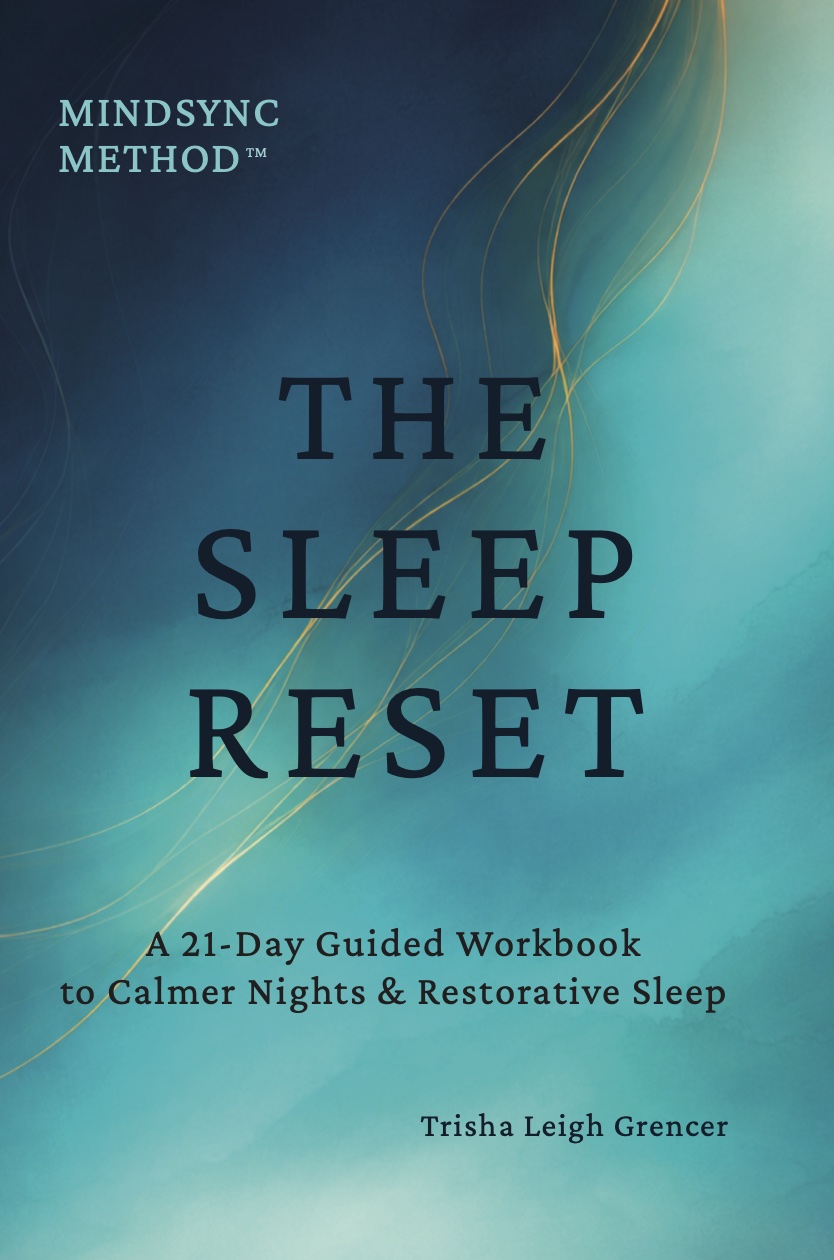
The Sleep Reset
A 21-day guided workbook that supports the nervous system in returning to natural rhythms of rest and repair. Written for people who are tired of trying harder—and ready to try something different.
Each section and day builds on the one before it. The practices are short, the language is plain, and nothing requires you to get it right.
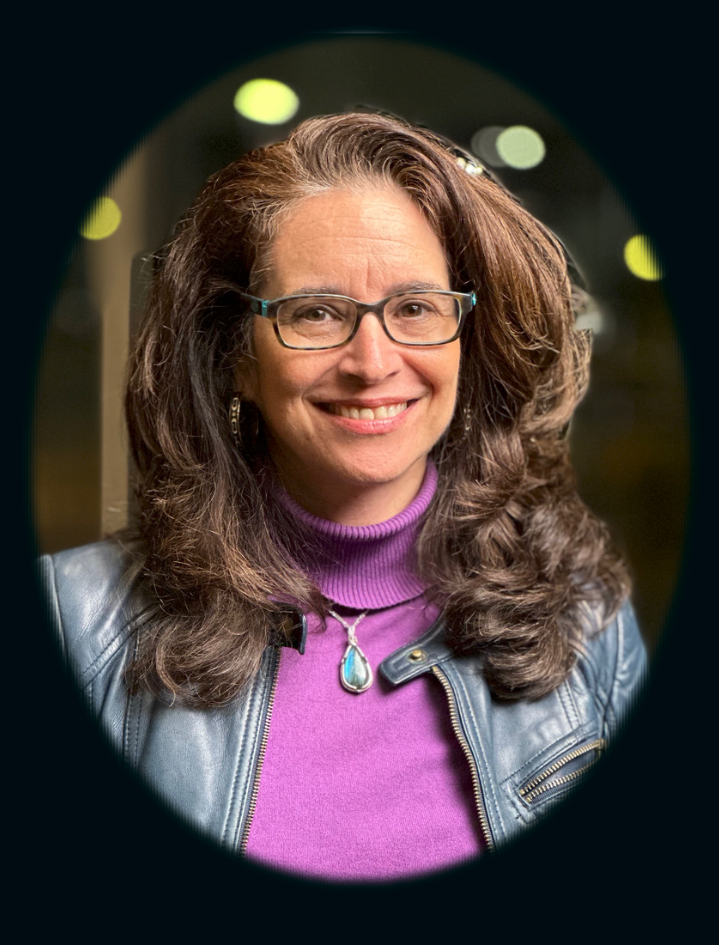
Trisha Leigh Grencer
Holistic practitioner, educator, and creator of the MindSync Method™Through years of trauma-sensitive client work, Trisha observed that disrupted sleep is one of the most limiting factors in the body’s ability to restore balance and regulation. Supporting sleep became a foundation of her work—not a specialty, but a starting point.
The MindSync Method grew from experience showing that change does not come through intensity, but through clear, familiar cues offered at the right time. The approach emphasizes consistency and predictability so the body can do what it already knows how to do.
Trisha lives in Texas with her husband and their Australian Shepherd–Spaniel mix.
Where would you like to go?
I’ve read The Sleep Reset
Stay connected, share what you noticed, or help someone else find this work.
I’m a practitioner or facilitator
Register your interest in practitioner resources, training materials, and community spaces.
I’m just discovering this
Start with the book, it stands on its own and requires nothing else.